

Glycolic acid
-
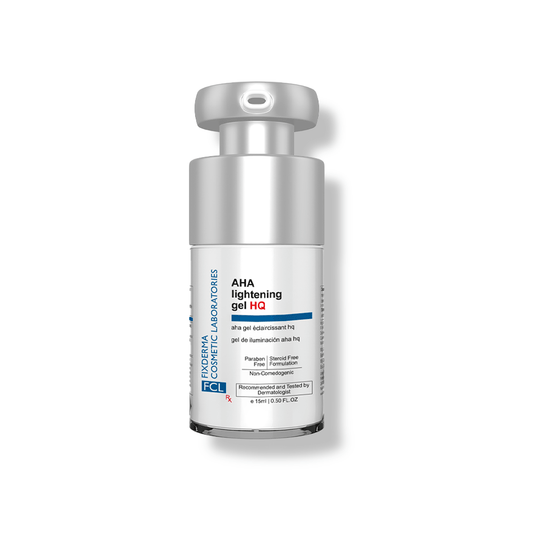
AHA Lightening Gel HQ
₹ 975Unit price per -
-
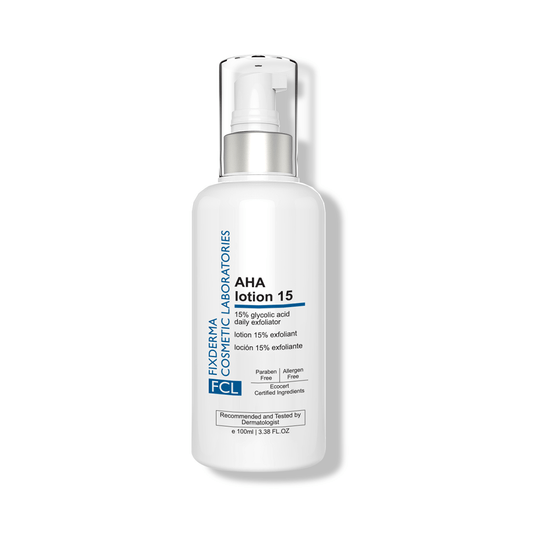
AHA Lotion 15
₹ 1,350Unit price per -
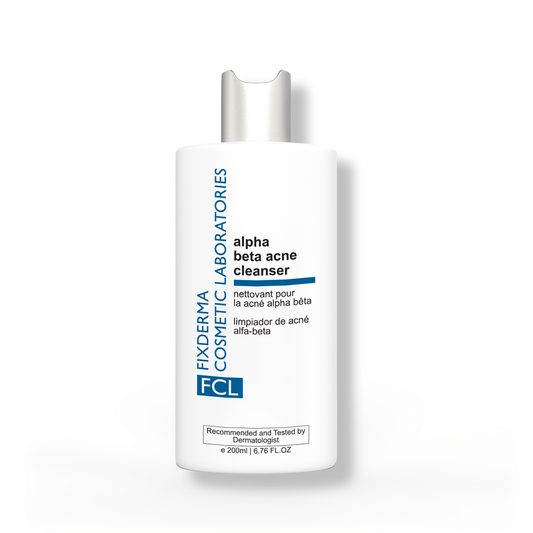
Alpha Beta Acne Cleanser
₹ 1,050Unit price per -
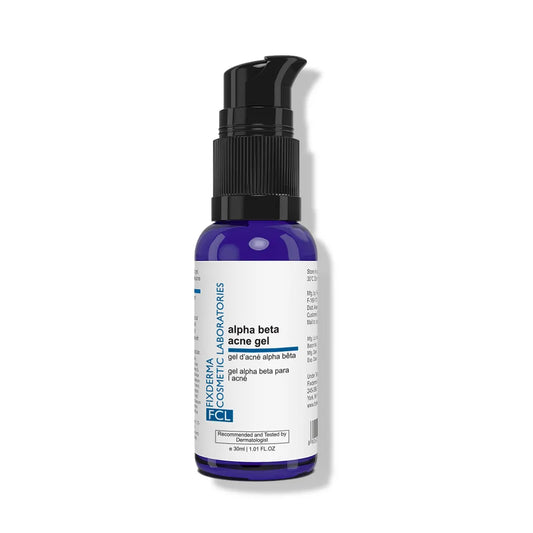
Alpha Beta Acne Gel
₹ 1,250Unit price per -
Anti-Acne Kit
₹ 2,275Unit price per -
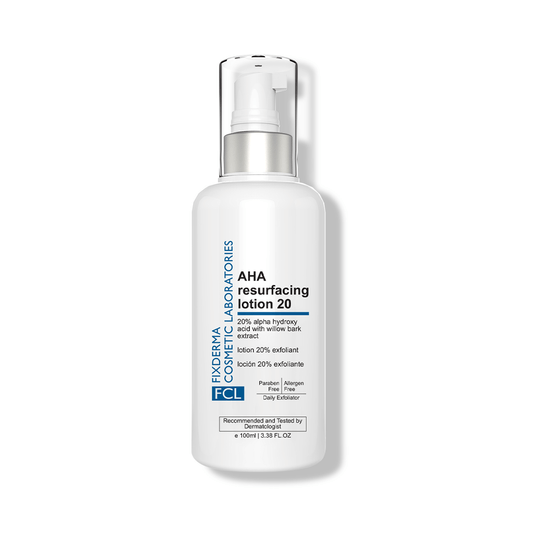
AHA Resurfacing Lotion 20
₹ 1,575Unit price per

Here’s why Glycolic Acid is called an A1 class exfoliator in acid skin care. What is it, how often to use, and what it does?
Out of all the ingredients, while reading the label, you might often find glycolic acid as one the actives present in most of the skincare products like active serums, body lotions, night creams, or day creams promising smoother and glowing skin.
It is certainly the most popular, safest, and most effective ingredient used in the skincare industry. It doesn’t come with only one benefit but multiple benefits when it comes to skincare like darkened underarms, melasma, sunspots, freckles, and uneven skin tone concerns.
Let’s dive in to understand more about glycolic acid.
What is Glycolic acid?
Glycolic Acid is an Alpha Hydroxy Acid derived from sugarcane.
Glycolic Acid is a gentle exfoliator that removes dead skin cells from the first layer of skin because of the smaller structure of the molecule, which penetrates easily into the skin, making it more effective.
How does glycolic acid work?
Glycolic Acid works for people dealing with dry, dehydrated, dull & uneven skin tones. Glycolic Acid acts as a great humectant holding on to the moisture in the skin.
Anyone who might find it hard to exfoliate because of dry skin concerns has a go-to option with glycolic acid peels that not only provide radiant skin but also deeply penetrate the skin for the induction of healthy skin cells. Glycolic Acid is a superhero ingredient that acts as an anti-inflammatory and anti-aging agent.
Acne treatment with glycolic acid is known to have amazing results.
Glycolic Acid fastens up the exfoliation process and helps in the skin renewal mechanism, it assists in removing dead skin and clears up the clogged pores gently, further leading to a decrease in sebum production and acne reduction at the same time. It is surely a must to visit your dermatologist or a skin expert if you have persistent breakouts which could happen due to various other reasons like hormonal imbalance, gut issues or not using appropriate skincare products that balance your skin pH.
How to use glycolic acid in your skincare routine?
- Do a patch test: Before starting any product application directly to your skin make sure to do a patch test on a smaller area like your wrist, neck, or forearm to see any kind of sensitivity or tolerance of the product
- Start with low concentration: If you are starting to use glycolic acid for the first time and have sensitive skin, use 5-10%, this helps the skin to absorb at a lesser rate and prevent the chances of any burning/rash/reaction to the skin.
- Protect and Hydrate: The more the skin is hydrated, the less it will get damaged. Applying a good amount of hydrating moisturizer with an SPF of at least 30 or 50 is important.
- Application technique: While applying glycolic acid don’t scrub and apply too much friction on the skin. Dabbing is always a good method while using active ingredients gently on the skin. Refrain from using multiple actives while using glycolic acid as this can create barrier disruption and lead to skin conditions
- Speak to your dermatologist: It is crucial to understand that glycolic acid might not suit every skin type. Consult your dermatologist and get a personalized regimen as per your skin type as glycolic acid can vary in percentage from 5-10% or even higher in the form of serums, topical night creams, and facewash.
Benefits of Glycolic Acid
- Gentle exfoliant
- Brightens the complexion
- Reduces sebum production
- Strengthens skin barrier
- Fades dark spots
- Reduces melasma and post-inflammatory hyperpigmentation


